Medical Heat Shrink Tubing for High-Performance Catheter Manufacturing
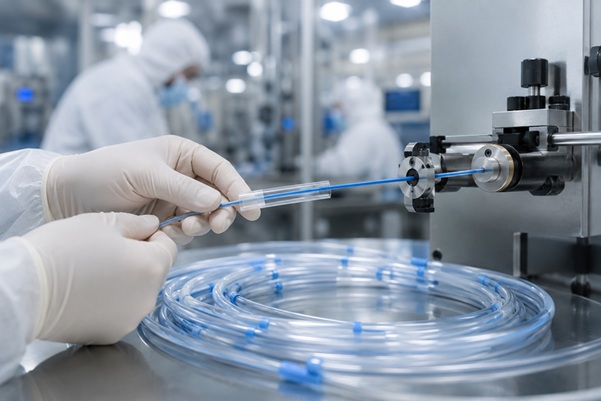
Quality medical devices start with precision manufacturing. Medical heat shrink tubing plays a critical role in creating catheters that perform reliably in clinical settings. These thin-walled tubes protect sensitive components, insulate conductors, and provide a secure seal around delicate internal structures. At The Engineering Resource Group, we've spent years perfecting the use of these materials in high-performance catheter production.
Heat shrink tubing isn't just about protection. It offers flexibility, durability, and consistent performance across thousands of units. Medical professionals rely on catheters that won't fail during critical procedures. Every layer, every connection point, and every material choice matters. That's where specialized manufacturing expertise makes a difference.
What Makes Heat Shrink Tubing Essential for Catheters?
We know that catheter performance depends on multiple factors working together. Heat shrink tubing addresses several critical needs:
-
•
Insulation Protection: Electrical conductors require reliable insulation to prevent interference and ensure accurate signal transmission during diagnostic procedures.
-
•
Compression Strength: The tubing creates a secure fit around connector ports and junction points, reducing movement that could damage internal wires.
-
•
Chemical Resistance: Medical environments expose devices to various disinfectants and sterilization methods, so material selection is crucial.
-
•
Temperature Stability: Catheters must function properly whether stored in cool facilities or used in the body's warm environment.
-
•
Biocompatibility: Surface materials must meet strict FDA standards to prevent tissue irritation or allergic responses.
Our team evaluates these factors for every project. We don't just shrink tubing to size. We engineer solutions that meet your exact specifications.
How We Ensure Precision in Manufacturing
Manufacturing medical devices requires more than good intentions. Our process combines automated precision with human expertise. We start with material selection, testing various options to find the best fit for your catheter design.
Our equipment heats the tubing uniformly, shrinking it to create consistent pressure and seal quality. We measure results to verify that every unit meets specifications. Temperature control is precise. Timing is exact. Our automated systems handle these details reliably, while our engineers oversee the entire process.
Quality inspection happens at multiple stages. We don't wait until the end to check our work. Early detection of issues saves time and protects your product's reputation. At The Engineering Resource Group, we've built our reputation on catching problems before they reach your customers.
We also provide custom inspection solutions tailored to your specific requirements. Your catheters might need dimensional verification, continuity testing, or visual inspection under magnification. We create inspection protocols that match your quality standards.
Medical Heat Shrink Tubing in Minnesota and Beyond
Regional manufacturing partnerships matter. Medical device companies in Minnesota and across the upper Midwest deserve local expertise they can trust. We understand the unique demands of device manufacturing in cold-climate regions where temperature control and material storage create their own challenges.
Medical heat shrink tubing in Minnesota requires vendors who grasp both the technical specifications and the practical realities of regional logistics. Our location allows us to serve manufacturers quickly. We respond to timeline changes. We handle rush orders when clinical needs demand faster turnaround.
Working with us means accessing expertise without outsourcing your device quality. We're not just another contract manufacturer. We're partners who invest in understanding your product, your market, and your customers.
From Concept to Finished Catheters: Our Development Support
Many companies come to us with ideas rather than finalized designs. That's exactly where we excel. Our product development team works alongside your engineers to refine catheter concepts. We test material combinations. We evaluate performance under realistic conditions. We help you avoid costly mistakes before production begins.
Process development is equally important. How you manufacture something matters as much as what you manufacture. We help you establish procedures that produce consistent results at scale. Small batch runs work differently than larger productions. We've managed both and understand the transitions.
Your catheter design might require specific heat shrink characteristics that standard off-the-shelf tubing doesn't provide. We source specialized materials or work with suppliers to create custom solutions. This kind of problem-solving happens regularly in our workshops.
Why Why Automated Systems Matter for Medical Manufacturing
Precision medical devices demand precision manufacturing. Automated systems reduce human error. They maintain consistency across hundreds or thousands of units. Each catheter comes out matching the specifications of the previous one.
Our automated systems excel at:
However, automation alone isn't enough. Our technicians monitor equipment constantly. They adjust parameters based on material batches. They troubleshoot when something doesn't perform as expected. Skilled people operating smart machines create superior results.
Frequently Asked Questions
How does tubing shrinkage affect catheter internal dimensions?
Heat shrink tubing compresses around the underlying structure without reducing internal diameters. The tubing wall becomes thinner but maintains the bore space inside. We calculate shrinkage ratios during design to ensure final dimensions match your specifications. This means the catheter's internal passages work exactly as your engineers intended.
What sterilization methods work safely with heat-shrunk tubing?
Most medical-grade tubing materials survive steam, ethylene oxide, and gamma radiation sterilization. Material selection during development determines which methods work for your specific device. We verify compatibility before production, ensuring your catheters maintain integrity after processing.
Can we modify tubing color for identification purposes?
Colored tubing options exist for many medical applications. Color serves practical purposes like identifying device types or manufacturing batches. We work with suppliers offering medical-grade materials in various colors, or we apply color coatings during the heat-shrink process when required.
How do you handle quality failures during manufacturing?
Failed units are segregated immediately and documented. We analyze why the failure occurred. Root cause determines the response. If the issue involves our process, we stop production and correct equipment operation before continuing. If material from your supplier caused the problem, we alert you and discuss alternatives.
Getting Started With Expert Medical Device Manufacturing
You've got innovations waiting for production. Manufacturing partners who truly understand medical devices make all the difference between concepts and products that help patients.
Contact us with your catheter specifications and current manufacturing challenges. We'll schedule time to understand your exact needs. Our team reviews your design, evaluates material options, and outlines a manufacturing approach. You'll hear clear timelines and costs before we begin.
We then set up equipment, conduct trials, and establish quality procedures specific to your device. Once you approve our initial production run, we scale manufacturing while maintaining the same precision standards. Your project gets dedicated attention from our technical team.
Want to explore partnership possibilities? We're ready to discuss your project, timeline, and quality expectations. The Engineering Resource Group specializes in turning medical device ideas into reliably manufactured products.